Best All Season Tire for Snow: Top 6 Picks and Buying Guide for 2026
Written by Muhammad Naseem • Last Updated: October 23, 2026
Snow season sneaks up fast. One cold morning, the roads turn white, and suddenly the tires on the car matter a lot more than they did last week. For drivers who do not want to swap tires twice a year, the best all season tire for snow is usually an all-weather tire that carries the Three-Peak Mountain Snowflake symbol.
This guide explains what makes a tire work in snow, how the top options compare, and where all-season tires reach their limits. It is built from independent test publications such as Tire Rack and Consumer Reports, so the advice rests on published testing rather than guesswork. Old lists from 2017 or 2021 are outdated, because tire models change often, so always check that a model is still sold.
What Makes an All-Season Tire Good in Snow?
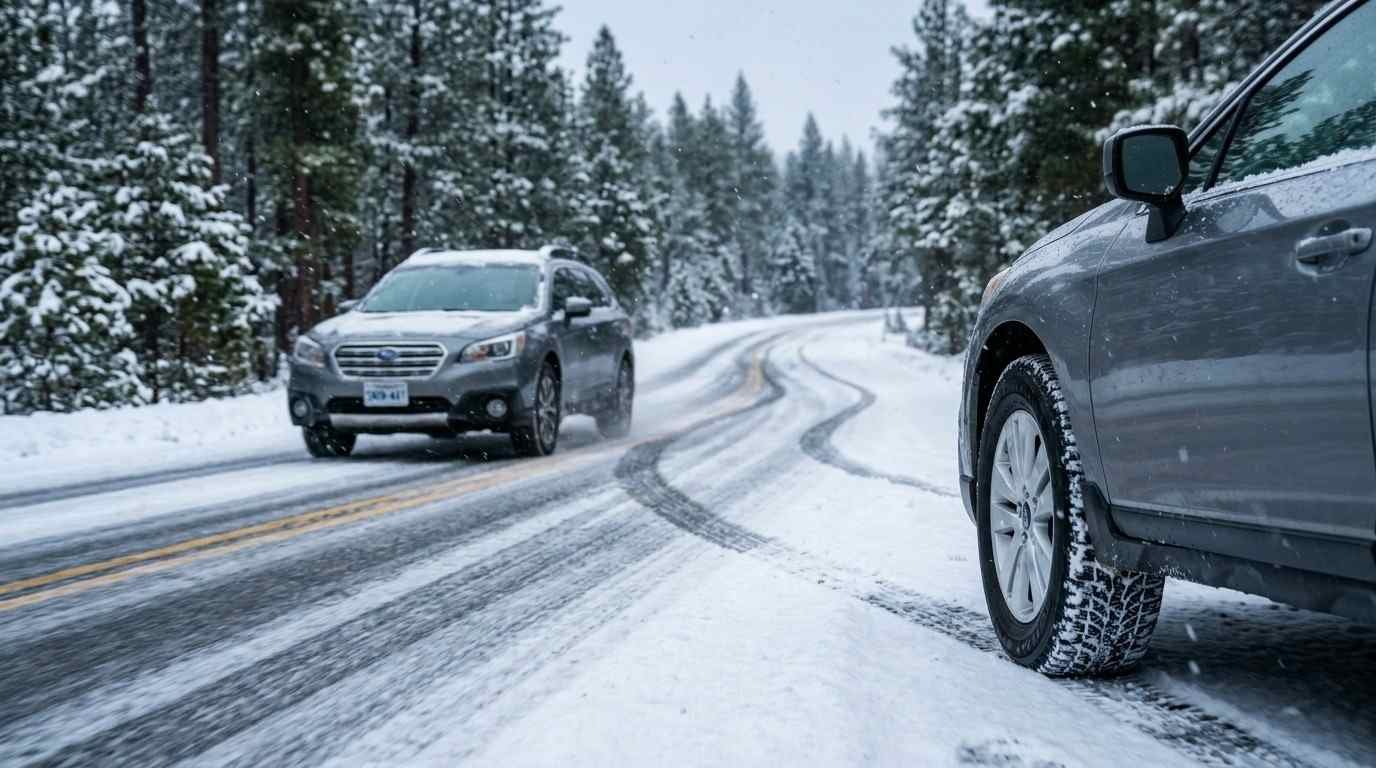
Not every tire marked “all-season” behaves the same when the temperature drops. Four design details decide how well a tire grips snow.
The Three-Peak Mountain Snowflake (3PMSF) Symbol
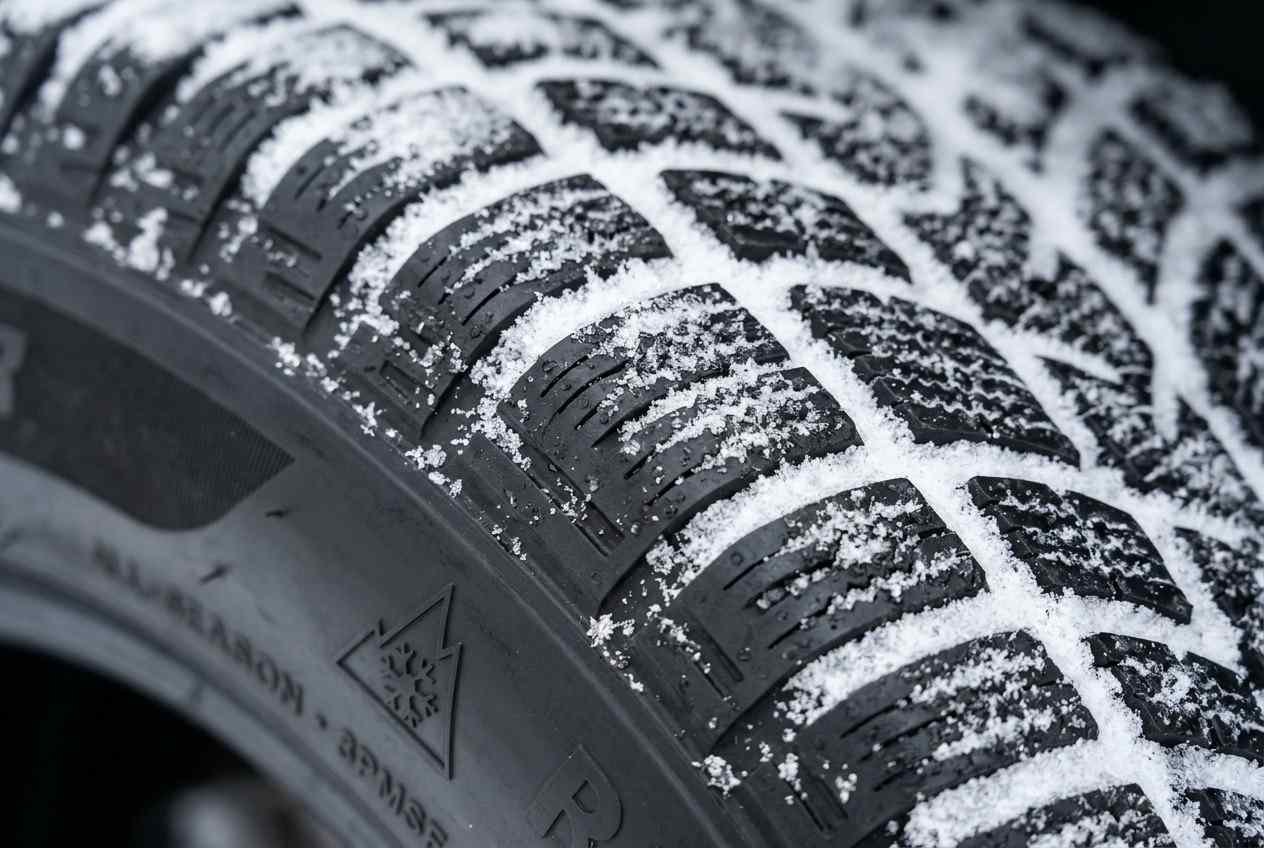
This small mountain-and-snowflake icon on the sidewall is the clearest shortcut. According to Tire Rack, earning it requires an acceleration test on medium-packed snow (ASTM F1805). Industry sources describe the passing bar as roughly 10% better traction than a reference tire.
There is a catch. The test measures acceleration only. It does not measure braking or cornering in snow, and it has no ice component. A tire with the symbol is a safer bet than one without it, but the symbol alone is not a guarantee of great winter handling. Tire Rack has even found some all-season tires without the symbol that outperformed certain tires with it.
Tread Compound
Rubber stiffens in the cold. Standard all-season compounds start to harden around 45°F (7°C), which cuts grip well before the first snowfall. All-weather tires use more flexible compounds that stay pliable in lower temperatures.
Siping and Tread Pattern
Sipes are the thin slits cut into tread blocks. They create thousands of tiny biting edges that grab snow. Zigzag grooves and angled lateral channels also help the tire pack snow into the tread and shed it again, since snow grips snow better than rubber does.
Tread Depth
New tires start at about 10/32″ to 11/32″ of tread. The legal minimum in most U.S. states is 2/32″, but many tire professionals suggest replacing all-season tires used in snow closer to 5/32″ or 6/32″. Worn tires stop clearing snow effectively.
All-Season vs. All-Weather vs. Winter Tires
These three labels cause the most confusion. Here is how they differ in practice.
| Feature | Standard All-Season | All-Weather (3PMSF) | Dedicated Winter |
|---|---|---|---|
| 3PMSF symbol | Usually no (M+S only) | Yes | Yes |
| Light snow | Adequate | Good | Excellent |
| Packed snow and ice | Limited | Moderate | Best |
| Warm and wet roads | Very good | Very good | Weaker, wears faster |
| Seasonal swap needed | Not for mild winters | No | Yes |
| Best for | Mild climates | Variable winters | Harsh, icy winters |
Tire Rack’s testing makes the hierarchy clear: all-weather tires with the snowflake symbol beat ordinary all-season tires on snow, but none of the tested all-weather options matched a real winter tire in snow or on ice.
Best All Season Tire for Snow: Top 6 Picks
How these picks were chosen: This list is based on published results from Tire Rack and Consumer Reports, plus manufacturer specifications. No tires were tested firsthand by the author. Every tire below carries the 3PMSF symbol, so each has passed the industry snow traction test. Sizes, prices, and warranties vary, so confirm details with a retailer before buying.
| Tire | Best For | Main Strength | Trade-Off |
|---|---|---|---|
| Michelin CrossClimate2 | Best overall | Balanced snow, wet, and dry grip | Premium price |
| Bridgestone WeatherPeak | Snow-focused drivers | Strong winter-leaning character | Less sporty on dry roads |
| Goodyear Assurance WeatherReady 2 | Wet and slushy roads | Water-evacuating tread | Not the top pick on ice |
| Nokian Remedy WR G5 | Cold-climate drivers | Winter-tire heritage | Limited sizes |
| Firestone WeatherGrip | Long tread life | Strong mileage warranty (reported) | Less refined ride |
| Hankook Kinergy 4S2 X | Best value | 3PMSF at a lower price | Less polished than premium picks |
Best Overall
1. Michelin CrossClimate2
The CrossClimate2 is the tire most often named when experts discuss the best all season tire for snow. Consumer Reports highlights it as an all-weather standout that earns more than a standard all-season rating, and Michelin’s flexible compound is designed to stay grippy in low temperatures.
It suits sedans, crossovers, and many SUVs. The trade-off is cost, since it sits at the premium end. Read the full breakdown in our CrossClimate2 tire review, and check coverage details in the Michelin tire warranty guide.
Best for Snow Focus
2. Bridgestone WeatherPeak
Bridgestone positions the WeatherPeak between its regular all-season line and dedicated Blizzak winter tires. Tire Rack describes it as a well-balanced all-weather option, and drivers who prioritize snow often shortlist it.
Owners in dry-weather regions may notice a firmer, less sporty feel. For snowy commutes, though, it is a very solid choice.
Best for Wet and Slush
3. Goodyear Assurance WeatherReady 2
Goodyear has used the “All Weather” name since the early twentieth century, and this tire carries that heritage. Its tread is built to move water and slush, which suits regions where winter means rain, melt, and slush more than deep drifts.
Best for Cold Climates
4. Nokian Remedy WR G5
Nokian, a Finnish winter-tire specialist, is credited with popularizing the all-weather concept. Reviewers often describe its snow grip as impressive for the category. Size availability is narrower than the big brands, so check that your size exists before getting attached.
Best for Mileage
5. Firestone WeatherGrip
The WeatherGrip is frequently praised for tread life and is reported to carry one of the longer treadwear warranties among all-weather tires. Verify the current warranty on the retailer page before buying, because terms change by size.
Best Value
6. Hankook Kinergy 4S2 X
Budget-minded drivers can still get the snowflake symbol with the Hankook Kinergy 4S2 line. It will not feel as refined as a premium tire, but it gives real winter capability for less money. For current pricing context, see how much a new tire costs and compare against Cooper tire reviews for other value options.
Prefer a standard all-season for mild winters? The Michelin Defender is a popular long-wearing choice, though drivers who see regular snow should lean toward a 3PMSF tire.
Best All Season Tire for Snow and Ice
Ice is where honesty matters. Traction on ice depends on tiny microscopic grip and very soft rubber, and no all-season or all-weather tire matches a dedicated winter tire there. Tire Rack’s testing says the same: none of the 3PMSF all-season tires it tested could match a true winter tire on ice.
If ice is a regular visitor, the most useful choice is a winter tire. If ice is occasional, the Nokian Remedy WR G5 and Michelin CrossClimate2 are the all-weather options most often credited with the best balanced winter grip.
How to Choose the Right Tire for Your Situation
1. Look at Your Winter Climate
- Mild, occasional dusting: a quality all-season is usually enough.
- Regular snow, few icy days: an all-weather 3PMSF tire is the sweet spot.
- Long, icy winters: dedicated winter tires are safer.
2. Match the Tire to Your Vehicle
Sedans and compact crossovers have the widest choice. Trucks and larger SUVs may need load-rated tires, and Consumer Reports notes that some all-weather and all-terrain tires with the snowflake still do not match dedicated winter tires. Check your tire size on the door-jamb placard. Large sizes are covered in our guides to 275, 295, and 315 tire sizes.
3. Remember Drivetrain Limits
All-wheel drive helps a vehicle accelerate on snow. It does not help it stop or steer. Tires do that work, so AWD owners still benefit from a good snow-rated tire.
4. Set a Realistic Budget
Remember that installation, balancing, and alignment add to the sticker price. See typical shop fees in our guides on tire installation costs and mount and balance pricing. Do not forget sensor service, covered in the TPMS replacement cost guide.
Practical Snow Driving Tips
- Check pressure monthly. Cold air lowers tire pressure, and underinflated tires lose grip. Use the pressure on the door placard, not the sidewall maximum.
- Use the penny test. Insert a penny head-first into a groove. If you can see all of Lincoln’s head, tread is low, so replace the tire.
- Rotate regularly. Even wear keeps traction balanced. See typical tire rotation costs.
- Replace all four tires. Mixing snow-rated and non-rated tires can upset handling.
- Carry chains for mountain routes. Some areas require them. Compare options in our best tire chains guide.
- Keep a full-size or usable spare. Cold-weather breakdowns are no fun. See spare tire costs.
- Drive smoothly. Gentle braking, steering, and acceleration beat any tire marketing claim.
When Winter Tires Are the Smarter Buy
An all-weather tire is a compromise by design. A dedicated winter tire is a better choice when:
- Temperatures stay below freezing for weeks at a time.
- Roads are often icy, hilly, or unplowed.
- You drive rural roads where help is far away.
- Safety on winter mornings matters more than saving a seasonal swap.
Many drivers also find that rotating between two sets spreads wear, so winter tires can last several seasons. That can offset part of the extra cost.
Frequently Asked Questions
What is the best all season tire for snow?
For most drivers, an all-weather tire with the 3PMSF symbol is the best all season tire for snow. The Michelin CrossClimate2 is the most consistently recommended option, with the Bridgestone WeatherPeak, Goodyear Assurance WeatherReady 2, and Nokian Remedy WR G5 as strong alternatives.
Are all-season tires good in snow?
Standard all-season tires handle light, occasional snow but struggle on packed snow and ice. Tires that also carry the 3PMSF symbol have passed a snow traction test and perform noticeably better, though they still trail dedicated winter tires.
What is the difference between all-season and all-weather tires?
All-weather tires are all-season tires that have earned the 3PMSF symbol by passing a standardized snow acceleration test. They typically use a more flexible compound and more siping, which gives better cold and snow grip than a traditional all-season tire.
What is the best all season tire for snow and ice?
No all-season or all-weather tire matches a true winter tire on ice. Among all-weather options, the Nokian Remedy WR G5 and Michelin CrossClimate2 are often praised for balanced winter grip, but drivers who see regular ice should choose dedicated winter tires.
Do I still need winter tires with all-wheel drive?
All-wheel drive helps you accelerate, but it does not help you stop or turn on snow and ice. Tires do that work, so winter tires or a good all-weather tire still matter even on an AWD vehicle.
Conclusion: Choosing the Best All Season Tire for Snow
The best all season tire for snow is, in practice, an all-weather tire with the 3PMSF symbol. The Michelin CrossClimate2 leads for overall balance, the Bridgestone WeatherPeak and Nokian Remedy WR G5 lean toward winter grip, the Goodyear WeatherReady 2 suits wet and slushy climates, and the Firestone WeatherGrip and Hankook Kinergy 4S2 X give strong mileage and value.
Keep the limits in mind. The snowflake symbol proves acceleration on medium-packed snow, not ice braking. Match the tire to your real winter, check tread depth and tire age, and choose dedicated winter tires if icy roads are a routine part of your commute. Ready to compare? Browse tire brands or find a shop through the state directory.