CrossClimate 2 Tire: Complete Michelin Review, Sizes, Warranty & Buying Guide
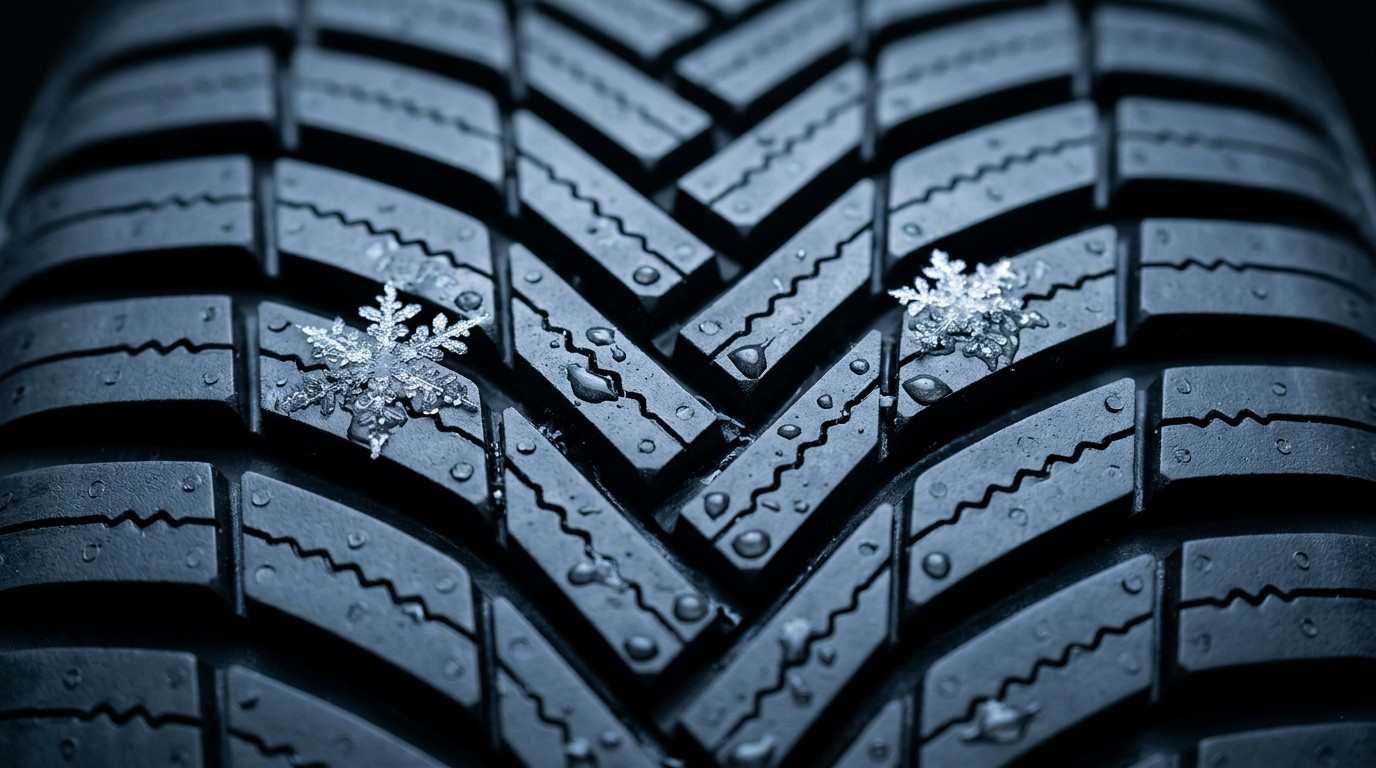
Ask a few tire shop managers which all-weather tire sells best, and the CrossClimate 2 tire from Michelin comes up again and again. It sits in a rare spot: a tire quiet and comfortable enough for daily commuting, yet marked with the snowflake symbol that proves it can handle real winter roads.
This guide breaks down what the CrossClimate 2 tire is, how its tread works, what owners actually report after tens of thousands of miles, and how it compares with other options. It also covers sizes, warranty, pricing factors, tire pressure, and rotation, so drivers can decide with confidence.
What Is the CrossClimate 2 Tire?
The CrossClimate 2 tire is a grand touring all-season tire that doubles as an all-weather tire. In plain terms, it is built to work all year without swapping sets, including on cold, wet, and lightly snowy roads.
Tire Rack describes it as a tire for drivers of sedans, coupes, wagons, crossovers, and SUVs who want comfortable daily driving plus confident grip in dry, wet, and light snow conditions. Michelin also lists minivans and vans among the vehicles it suits.
All-Season vs. All-Weather: Why the Difference Matters
A standard all-season tire carries an M+S (mud and snow) marking, but that label is based on tread design, not performance testing. An all-weather tire like this one also earns the 3-Peak Mountain Snowflake (3PMSF) symbol, which requires meeting a measured snow traction threshold.
| Feature | Standard All-Season | All-Weather (CrossClimate 2) | Dedicated Winter |
|---|---|---|---|
| Winter symbol (3PMSF) | Usually no | Yes | Yes |
| Warm-weather comfort | Excellent | Excellent | Softer, wears faster |
| Light snow grip | Fair | Good to very good | Excellent |
| Deep snow and ice | Limited | Moderate | Best |
| Seasonal swapping | Not needed | Not needed | Needed |
CrossClimate 2 Tire Specs at a Glance
| Specification | Details |
|---|---|
| Manufacturer | Michelin |
| Category | Grand touring all-season / all-weather (3PMSF) |
| Tread pattern | V-formation, directional |
| Wheel diameters | 16 to 22 inches |
| Speed ratings | H, V, and W depending on size |
| Treadwear warranty | 60,000 miles (6 years) |
| Satisfaction guarantee | 60 days |
| Owner rating (Michelin) | 4.6 / 5 from 2,184 reviews; 91% recommend |
| Owner rating (Tire Rack) | 4.5 / 5 from roughly 5,500 ratings |
CrossClimate 2 Tire Tread Design and Technology
Looking at a Michelin CrossClimate 2 tire tread close up, the first thing most people notice is the bold V pattern running across the face. That shape is not just styling. Each feature has a job.
Thermal Adaptive Tread Compound
The rubber compound is designed to stay flexible when temperatures drop. That flexibility keeps the tread gripping cold pavement and snow instead of stiffening up, which is a big reason the tire earned its winter rating.
V-Formation Directional Pattern
The tread blocks angle sharply toward the center, which helps push water out and away from the contact patch. Michelin says the center section lines up with forward and braking forces, while the shoulder blocks work on cornering.
Why directional matters for owners
Because the pattern points one way, each tire has a required rolling direction marked on the sidewall. This affects mounting and rotation, covered later in this guide.
V Ramp Chamfers and 3D SipeLock
- V Ramp chamfers: angled edges on the tread blocks that add contact with the road under braking.
- 3D SipeLock: thin slits in the tread that interlock to keep blocks stable on dry pavement while biting into snow and slush.
- PIANO noise tuning: varied block geometry and spacing designed to spread out and reduce tread noise.
Internal Construction
Inside, the tire uses a two-ply polyester casing, two steel belts, and a polyamide reinforcement layer. According to Tire Rack, that last layer helps with high-speed stability.
Real-World Performance: What Drivers Report
Specs only tell part of the story. Here is how the CrossClimate 2 tire scores in owner surveys, plus what Michelin’s own testing claims.
Owner Survey Scores (Tire Rack)
| Category | Score | Sub-scores |
|---|---|---|
| Wet performance | 9.4 | Hydroplaning resistance 9.4, wet traction 9.4 |
| Dry performance | 9.4 | Dry traction 9.5, corner stability 9.4, steering response 9.3 |
| Winter / snow | 8.8 | Light snow 9.2, deep snow 8.8, ice 8.5 |
| Comfort | 8.9 | Ride quality 9.1, noise 8.6 |
| Treadwear | 9.1 | Based on reported miles |
Two patterns stand out. Wet and dry grip score highest, and ice traction and noise score lowest. That matches what a tire built for all-year touring should look like.
Wet Traction and Hydroplaning
Michelin reports that on wet pavement with worn tires, the CrossClimate 2 stopped up to 56 feet shorter than four leading competitors. These are the company’s internal tests, so real roads will vary, but owners echo the theme. One Kia Carnival driver on a fourth set said hydroplaning stopped being a worry.
Dry Handling
A Mustang EcoBoost owner with 40,000 miles described it as excellent in both wet and dry, and the survey’s dry traction score of 9.5 supports that. For a tire with strong winter ability, that is unusually sharp.
Snow and Winter Driving
Owners in Cleveland, Buffalo, and Michigan report getting through winter without trouble, often with all-wheel drive. A Buffalo-area Camry driver who commutes 120 miles a day said the tires kept going when others stayed home.
Comfort and Noise
Most reviewers call the ride smooth and surprisingly quiet for an aggressive-looking tread. Not everyone agrees over the long haul. A Camry owner at 55,000 miles reported the tires got noticeably louder around 48,000 to 50,000 miles, and a Dodge Dart driver at 45,000 miles called the roar unacceptable. Noise rising with wear is a fair expectation.
Treadwear and Longevity
Here the evidence is encouraging. Michelin’s own treadwear tests estimated 61,100 miles in size 215/55R17 on a Camry and 67,300 miles in size 235/55R18 on an Equinox. In another test on Honda CR-Vs, the estimate reached 79,098 miles in size 235/60R18.
- A Jetta owner reported 2/32 inch of wear after 30,000 miles from a starting depth of 10/32.
- A Maxima owner measured 8/32 left after 14,335 miles and projected close to the 60,000-mile warranty.
- One Michigan driver noted the tires wore completely even.
A handful of reviewers also mention a small fuel economy drop. One Jetta owner measured a difference of only a fraction of a mile per gallon, so results clearly vary by vehicle.
CrossClimate 2 Tire Warranty and Michelin Promise Plan
Warranty details matter, especially on a premium tire. Based on Michelin’s and Tire Rack’s published information, coverage looks like this:
| Coverage | What It Means |
|---|---|
| Treadwear | 60,000 miles or 6 years. Tire Rack notes that mileage coverage is halved for rear tires if the rear size differs from the front. |
| Workmanship and materials | 6 years, with free replacement in the first year or until 2/32 inch or 25% of wear, then prorated. |
| Uniformity | 1 year or the first 2/32 inch of wear. |
| 60-day satisfaction guarantee | Part of the Michelin Promise Plan; Tire Rack lists an exchange option for up to six tires per customer. |
| Roadside assistance | Included in the Promise Plan. Tire Rack lists three years. |
| Manufacturer road hazard | None listed. Some retailers add their own protection. |
Michelin CrossClimate 2 Tire Sizes
The Michelin CrossClimate 2 tire sizes run from 16 to 22 inches, which covers compact cars, family sedans, popular crossovers, and many full-size SUVs. Tire Rack’s listing includes dozens of sizes across those diameters.
| Wheel Size | Sample Sizes | Typical Vehicle Type |
|---|---|---|
| 16″ | 205/55R16, 215/55R16 | Compact and midsize sedans |
| 17″ | 215/55R17, 225/60R17, 235/65R17 | Sedans, compact crossovers |
| 18″ | 235/55R18, 235/60R18, 245/60R18 | Midsize crossovers and SUVs |
| 19″ | 235/55R19, 245/45R19, 255/55R19 | Larger crossovers, premium sedans |
| 20″ | 255/50R20, 275/45R20 | Large SUVs, performance sedans |
| 21″-22″ | 265/45R21, 285/45R22 | Full-size and luxury SUVs |
How to Find the Right Size
- Check the sidewall of your current tires for a code like 235/55R18.
- Look at the tire placard on the driver’s door jamb.
- Confirm the load index and speed rating match or exceed the original.
- Ask the installer whether your size is listed as standard or extra load (XL).
Buyers can also browse other makers on our tire brands page if a size is hard to find.
CrossClimate 2 Tire Price and Where to Buy
Prices vary widely by wheel diameter, load rating, retailer, and installation. Larger SUV sizes cost noticeably more than 16-inch sedan sizes, and any fixed number would be out of date quickly. Treat the CrossClimate 2 as a premium-priced tire and compare quotes.
What Affects the Final Cost
- Size and load rating: XL and large-diameter sizes cost more.
- Mounting and balancing: see our breakdown of Discount Tire mount and balance cost.
- TPMS service: sensors may need service or replacement, and our guide to Discount Tire TPMS replacement cost explains the range.
- Rebates: Tire Rack’s page currently lists an $80 reward card offer on a set of four select Michelin tires, valid September 3 to November 30, 2026, with terms and conditions.
For a broader view of budgeting, our article on how much a new tire costs walks through typical price drivers, and drivers who want a backup plan can read how much a spare tire costs.
Where Drivers Can Buy
Retailers listing the CrossClimate 2 include Tire Rack, Discount Tire, Town Fair Tire, and warehouse clubs such as BJ’s. Discount Tire’s website notes that free shipping to a store, free air checks, free flat repair, and free rotation are typically available with purchase, though store policies vary. Need a shop on a weekend? Our list of tire shops open on Sunday can help.
To find shops in your area, start with our state directory or the tire services page.
CrossClimate 2 Tire Pressure: What to Use
There is no single correct pressure for every CrossClimate 2 size, because the right number depends on your vehicle, its load, and the tire size. The number molded into the sidewall is the tire’s maximum, not the recommended pressure.
- Find the recommended cold pressure on the placard in the driver’s door jamb or in the owner’s manual.
- Check pressure at least monthly, with the tires cold (parked for several hours or driven less than a mile).
- Inflate to the placard number, never above the sidewall maximum.
- Do not forget the spare, and do not ignore a TPMS warning light.
For official guidance on pressure and tire safety, the NHTSA tire safety page is a reliable reference.
CrossClimate 2 Tire Rotation and Maintenance
Regular rotation keeps wear even and protects the warranty. Many shops recommend rotating roughly every 5,000 to 8,000 miles, but your owner’s manual should have the final word.
Rotating a Directional Tire
Michelin confirms the CrossClimate 2 is directional. That means each tire stays on its side of the car. The usual approach is a straight front-to-back swap on the same side. Crossing tires side to side only works if a shop dismounts and remounts them on the wheels so the rotation arrows still point forward.
Mixing With Older Tires
Per Michelin’s FAQ, mixing CrossClimate 2 with the older CrossClimate+ on the same axle is not possible, although a front-and-rear mix is. For any other brand mix, check the vehicle manual first.
Simple Maintenance Checklist
- Check pressure monthly and before long trips.
- Measure tread depth. The legal minimum in most U.S. states is 2/32 inch, but winter traction fades well before that.
- Get an alignment check if the car pulls or wear looks uneven.
- Balance after any vibration, especially at highway speeds, which a few owners have reported.
CrossClimate 2 vs. Competitors
Michelin published head-to-head figures against two popular rivals. Remember these are manufacturer tests, run on specific vehicles and sizes, so independent testing from sources like Tire Rack is worth reading alongside them.
| Test | CrossClimate 2 | Continental CrossContact LX25 | Goodyear Assurance WeatherReady |
|---|---|---|---|
| Wet braking from 50 mph (shorter is better) | 142.9 ft | 195.8 ft | 198.6 ft |
| Dry braking from 60 mph (shorter is better) | 113.0 ft | 121.1 ft | 129.8 ft |
| Estimated treadwear | 67,300 miles | 58,100 miles | 52,000 miles |
| Snow traction index vs. reference tire | 93 | 63 | 65 |
CrossClimate 2 vs. Michelin Defender
Shoppers often cross-shop the Defender line, which leans toward long-life touring. The CrossClimate 2 adds the 3PMSF winter rating and an all-weather focus. Our Michelin Defender tire guide covers that side in detail.
What About the CrossClimate 3?
Michelin launched the CrossClimate 3 in Europe in July 2025, but says the European and North American CrossClimate designs differ. For North America, the company states it will continue with the CrossClimate 2 for the next several years, so U.S. and Canadian drivers are not buying outdated technology.
Pros and Cons of the CrossClimate 2 Tire
✅ Pros
- Excellent wet and dry grip in owner surveys
- 3PMSF-rated for winter use
- 60,000-mile treadwear warranty
- Comfortable, generally quiet ride
- Wide size range (16 to 22 inches)
- Backed by a 60-day satisfaction guarantee
⚠️ Cons
- Premium price compared with budget tires
- Noise can increase with mileage for some owners
- Ice traction trails a dedicated winter tire
- Directional design limits rotation patterns
- A few reports of small fuel economy loss
Who Should Buy It?
Drivers in regions with four seasons, occasional snow, and heavy rain will get the most value. Commuters, families, and crossover owners who want one set of tires all year are the natural fit.
Who Should Skip It?
Anyone in a place with long, icy winters should still run winter tires. Drivers who want the cheapest possible tire may also prefer a budget option.
Michelin Agilis CrossClimate: Is It the Same Tire?
Searches for “Michelin Agilis CrossClimate 2 tire” are common, but the Agilis CrossClimate is a different product. It is the van and light commercial version of the CrossClimate family, with a V-shaped tread, 3PMSF marking, and sidewall protection against curb damage. It uses commercial-style sizes such as 225/75 R16C and is aimed at cargo vans and work vehicles.
The passenger-vehicle CrossClimate 2 covered in this guide is a separate line for cars, crossovers, SUVs, and minivans. Van owners should check Michelin’s Agilis CrossClimate page and confirm availability in their region.
CrossClimate 2 Tire FAQs
Is the CrossClimate 2 tire good in snow?
Yes, for light to moderate snow. The CrossClimate 2 carries the 3PMSF symbol, meaning it passed an industry snow traction standard. It does not fully match a dedicated winter tire on deep snow or ice, so drivers in harsh winters may still prefer winter tires.
How long does a CrossClimate 2 tire last?
Michelin backs it with a 60,000-mile treadwear warranty. Michelin’s own tests estimated roughly 61,000 to 79,000 miles depending on vehicle and size, and owners report results from the mid-50,000s upward. Rotation, alignment, and driving style make the biggest difference.
What is the correct tire pressure for a CrossClimate 2 tire?
It depends on your vehicle and size. Use the cold inflation pressure on the door-jamb placard or in the owner’s manual, not the maximum printed on the sidewall. Check it monthly with the tires cold.
Is the CrossClimate 2 directional, and how do you rotate it?
Yes, it is directional, so each tire must stay on its own side. Rotate front to back on the same side, unless a shop remounts the tires on the wheels to cross them over.
Is the CrossClimate 2 an all-season or all-weather tire?
Both labels apply. Michelin sells it as an all-season tire, and the 3PMSF marking also qualifies it as an all-weather tire that meets severe snow service requirements.
Conclusion: Is the CrossClimate 2 Tire Worth It?
For most drivers who see all four seasons, the CrossClimate 2 tire is one of the strongest one-set solutions available. It pairs top-tier wet and dry grip with a genuine winter rating, a 60,000-mile warranty, and a comfortable ride. Owners score it highly across thousands of reviews, and Michelin plans to keep it as its North American all-weather option for years.
The trade-offs are real: a premium price, noise that can creep up with miles, and ice performance that still falls short of a winter tire. Weigh those against your climate, check your exact size and pressure on the door placard, and compare installed prices before buying. Compare shops through our services and state pages to find a trusted installer near you.