Wheel Alignment Services: Complete Guide to Cost, Signs, Types & Benefits
Everything drivers need to know before booking wheel alignment services — updated for 2026
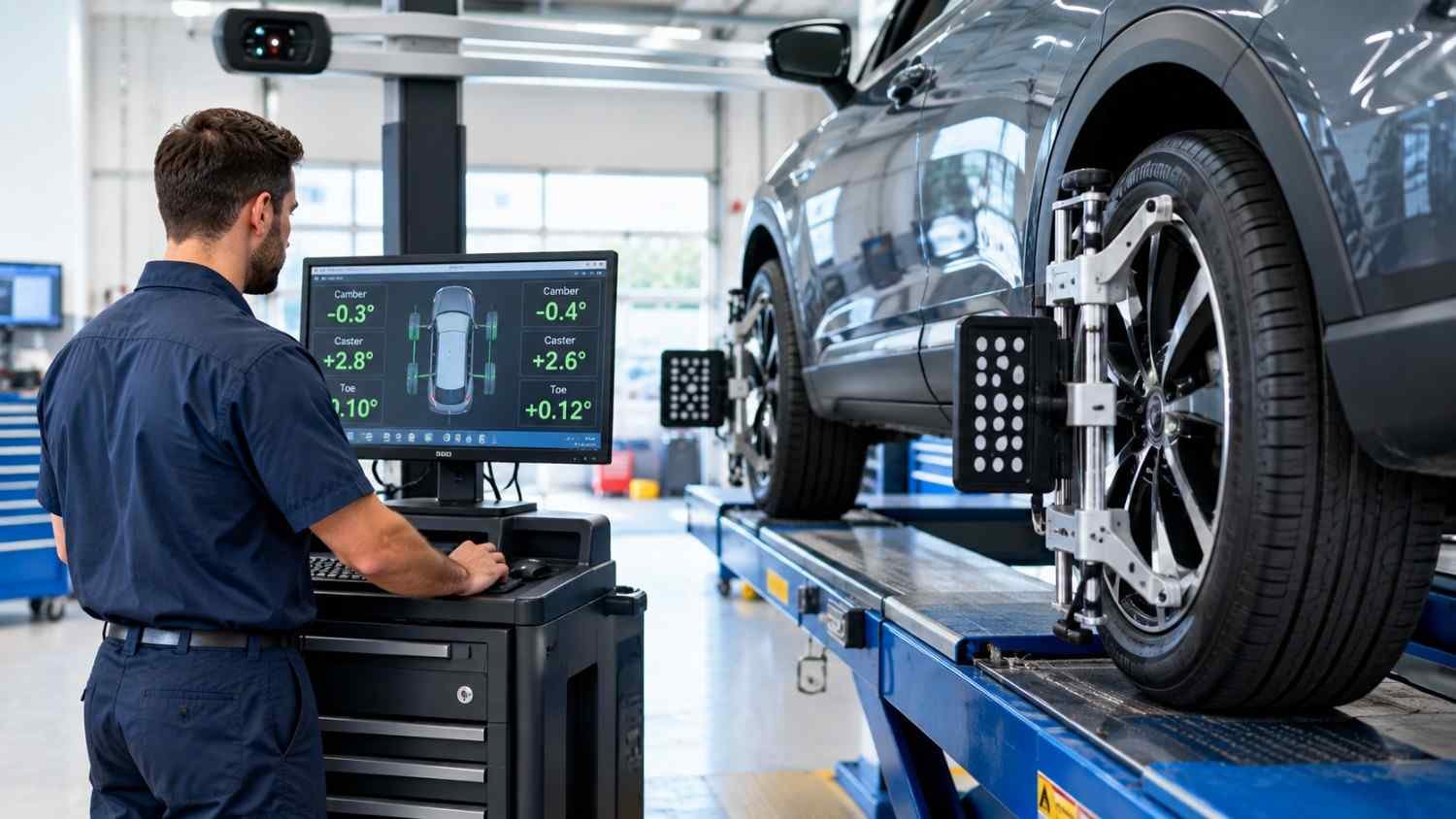
If your car pulls to one side, your steering wheel sits crooked, or your tires are wearing unevenly, you’re probably overdue for wheel alignment services. Misalignment doesn’t just make driving uncomfortable — it quietly eats away at tire life, fuel economy, and steering safety.
This guide breaks down exactly what wheel alignment services involve, how much they cost, the difference between 2-wheel, 4-wheel, and heavy-vehicle alignment, and how to choose a trustworthy shop near you — whether that’s a national chain like Bridgestone or Discount Tire, or a local independent garage.
What Is Wheel Alignment?
Wheel alignment is the process of adjusting a vehicle’s suspension — the system that connects the wheels to the car — so that the tires meet the road at the correct angles. It’s not about the tires or wheels themselves; it’s about the angles they sit at.
Camber, Caster & Toe Explained
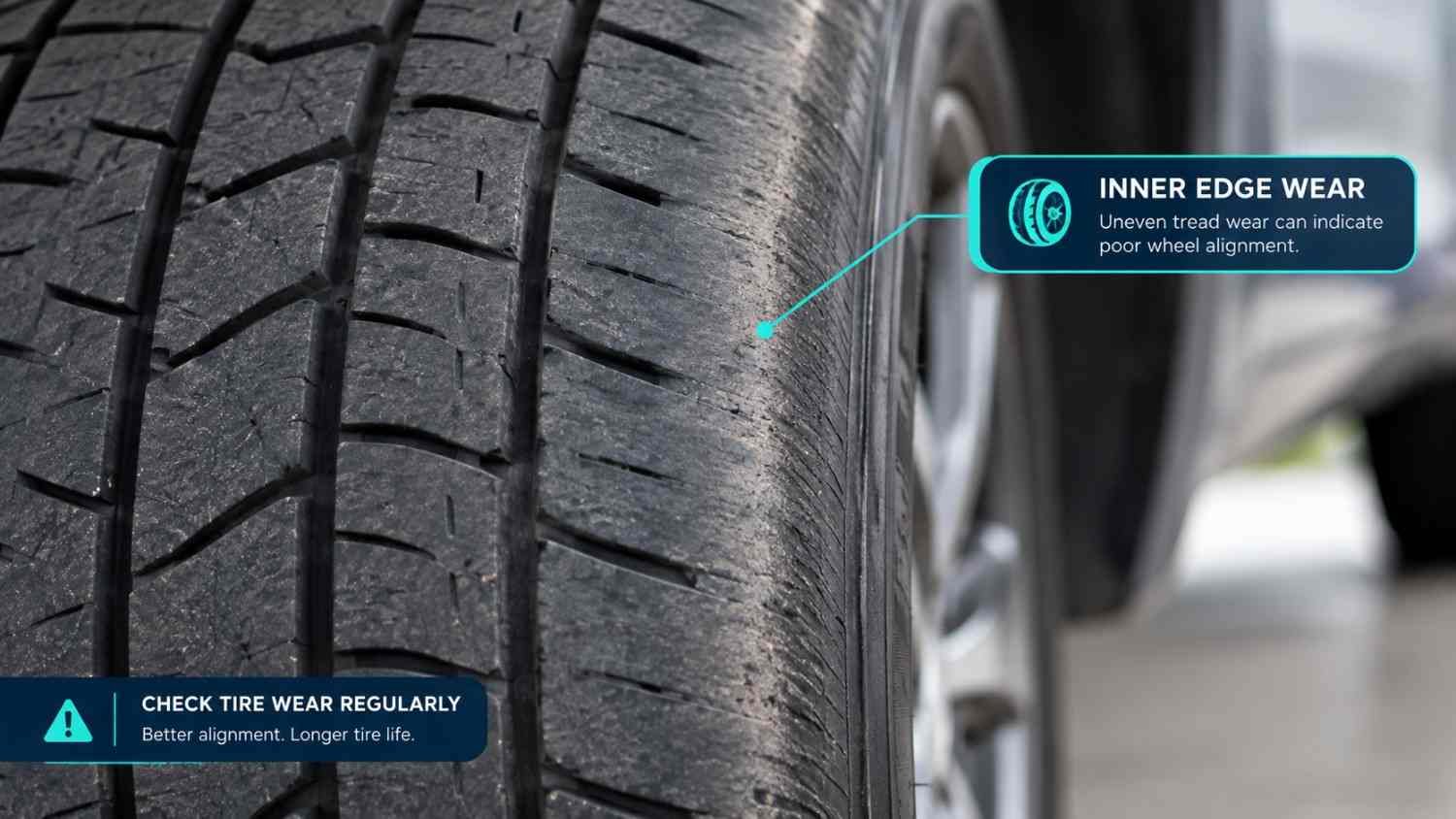
- Camber: the inward or outward tilt of the tire when viewed from the front. Incorrect camber wears the inner or outer tire edge unevenly.
- Caster: the angle of the steering axis, affecting stability and steering feel.
- Toe: whether the tires point slightly inward or outward when viewed from above — the most common cause of rapid, uneven tread wear.
A technician uses computerized alignment equipment to measure these angles against the manufacturer’s specifications, then adjusts tie rods, control arms, and other suspension components to bring everything back into spec.
7 Warning Signs You Need Wheel Alignment Services
- The car pulls or drifts to the left or right on a flat, straight road
- The steering wheel is off-center when driving straight
- Uneven or rapid tire tread wear (especially on inner or outer edges)
- Vibration in the steering wheel at higher speeds
- Squealing tires or a “loose” feeling in the steering
- You recently hit a pothole, curb, or had suspension work done
- It’s been over a year since your last alignment check
Noticing two or more of these? It’s time to book a wheel alignment check before tire wear gets worse.
Types of Wheel Alignment Services
2-Wheel (Front-End) Alignment
Adjusts only the front wheels. Common on older vehicles or those with a solid, non-adjustable rear axle. It’s faster and cheaper but doesn’t correct rear-wheel angle issues.
4-Wheel Alignment
Adjusts all four wheels and is standard on most modern cars, crossovers, and SUVs with independent rear suspension. It also checks the “thrust angle” — whether the rear wheels are pointing the same direction as the front, which affects straight-line tracking.
Heavy Vehicle & Truck Wheel Alignment Services
Trucks, vans, and heavy-duty vehicles carry more weight and have different axle configurations, so heavy vehicle wheel alignment services require specialized equipment rated for larger axles and higher load capacities. This is critical for fleet operators, since misaligned commercial tires wear out significantly faster under heavy loads.
Wheel Alignment Services Cost Comparison
| Service Type | Typical Price Range* | Best For |
|---|---|---|
| 2-Wheel Alignment | $50 – $75 | Older cars, solid rear axle vehicles |
| 4-Wheel Alignment | $80 – $150 | Most modern cars, SUVs, crossovers |
| Heavy Vehicle / Truck Alignment | $150 – $300+ | Pickups, vans, commercial fleets |
| Lifetime Alignment Package | $180 – $250 (one-time) | Drivers who want unlimited future alignments |
*Prices vary by location, vehicle type, and shop. Always request a quote before booking.
Wheel Alignment vs. Wheel Balancing — What’s the Difference?
These two services are often confused, but they fix different problems.
| Factor | Wheel Alignment | Wheel Balancing |
|---|---|---|
| What it fixes | Suspension angles (camber, caster, toe) | Uneven weight distribution on the tire/wheel |
| Main symptom | Car pulls to one side | Vibration at highway speed |
| When needed | After suspension work, pothole hits, uneven wear | After new tire installation or vibration develops |
How to Choose the Best Wheel Alignment Services Near You
- Look for shops with computerized (laser) alignment machines, not manual gauges
- Check reviews specifically mentioning alignment work, not just tire sales
- Ask if they provide a printed before/after alignment report
- Confirm they align to manufacturer specifications for your exact vehicle
- Compare warranty options — some shops offer lifetime alignment plans
Bridgestone & Discount Tire Wheel Alignment Services
National chains like Bridgestone and Discount Tire offer standardized wheel alignment services with consistent pricing and equipment across locations, which makes them a convenient option if you’re traveling or new to an area. Independent local shops, on the other hand, often provide more personalized service and sometimes better pricing — it’s worth comparing both before deciding.
Looking for a shop nearby? Check out our detailed local guide: Wheel Alignment Near Me in Wichita, KS.
What Happens During a Professional Wheel Alignment?
- Inspection: The technician checks tire wear, suspension components, and tire pressure first.
- Mounting: The vehicle is placed on an alignment rack with sensors clamped to each wheel.
- Measurement: Computerized equipment measures current camber, caster, and toe angles.
- Adjustment: The technician adjusts suspension components to bring angles within manufacturer spec.
- Test & report: A final printout confirms the corrected angles, and often a short test drive follows.
DIY vs. Professional Wheel Alignment
Can you do it yourself? Technically, basic toe adjustment is possible with string and patience, but camber and caster adjustments require lift equipment and precision sensors most drivers don’t own.
Bottom line: DIY alignment might save money short-term, but an inaccurate adjustment can accelerate tire wear and cost far more later. For anything beyond a rough check, professional wheel alignment services are worth the cost.
Benefits of Regular Wheel Alignment
- Extends tire lifespan by reducing uneven wear
- Improves fuel efficiency by reducing rolling resistance
- Provides safer, more predictable handling
- Reduces stress on suspension and steering components
- Delivers a smoother, quieter ride
Tips to Maintain Proper Alignment Longer
- Avoid potholes and curbs whenever possible
- Keep tires properly inflated at all times
- Get an alignment check every 6,000–12,000 miles or once a year
- Have alignment checked after any suspension repair
- Rotate tires regularly to catch uneven wear early
For more maintenance tips, see our full Wheel Alignment Guide, or browse all tire and alignment services and trusted tire brands we cover.
Frequently Asked Questions
How often should I get a wheel alignment?
Most manufacturers recommend a check every 6,000–12,000 miles, or once a year, whichever comes first — sooner if you hit a pothole or curb.
How long does a wheel alignment service take?
A standard 4-wheel alignment typically takes about 45 minutes to an hour, depending on how far out of spec the vehicle is.
Can bad alignment damage my tires?
Yes — misalignment causes uneven, accelerated tread wear that can shorten tire life by thousands of miles if left uncorrected.
Is 4-wheel alignment better than 2-wheel alignment?
For most modern vehicles with independent rear suspension, yes — 4-wheel alignment corrects rear angle and thrust angle issues that 2-wheel alignment can’t address.
Do heavy vehicles need different alignment services?
Yes — trucks and commercial vehicles need alignment equipment rated for their axle weight and configuration, which is different from standard passenger car equipment.
Conclusion
Wheel alignment services are one of the most affordable ways to protect your tires, improve fuel efficiency, and keep your vehicle handling safely. Whether you drive a passenger car, an SUV, or a heavy-duty truck, watching for the warning signs above and scheduling regular alignment checks will save you money on tires and repairs down the road.
Ready to book? Explore our services page, find help by state, or visit the TireNearMeHub homepage to get started.