How to Check Motorcycle Tire Pressure: The Complete Step-by-Step Guide
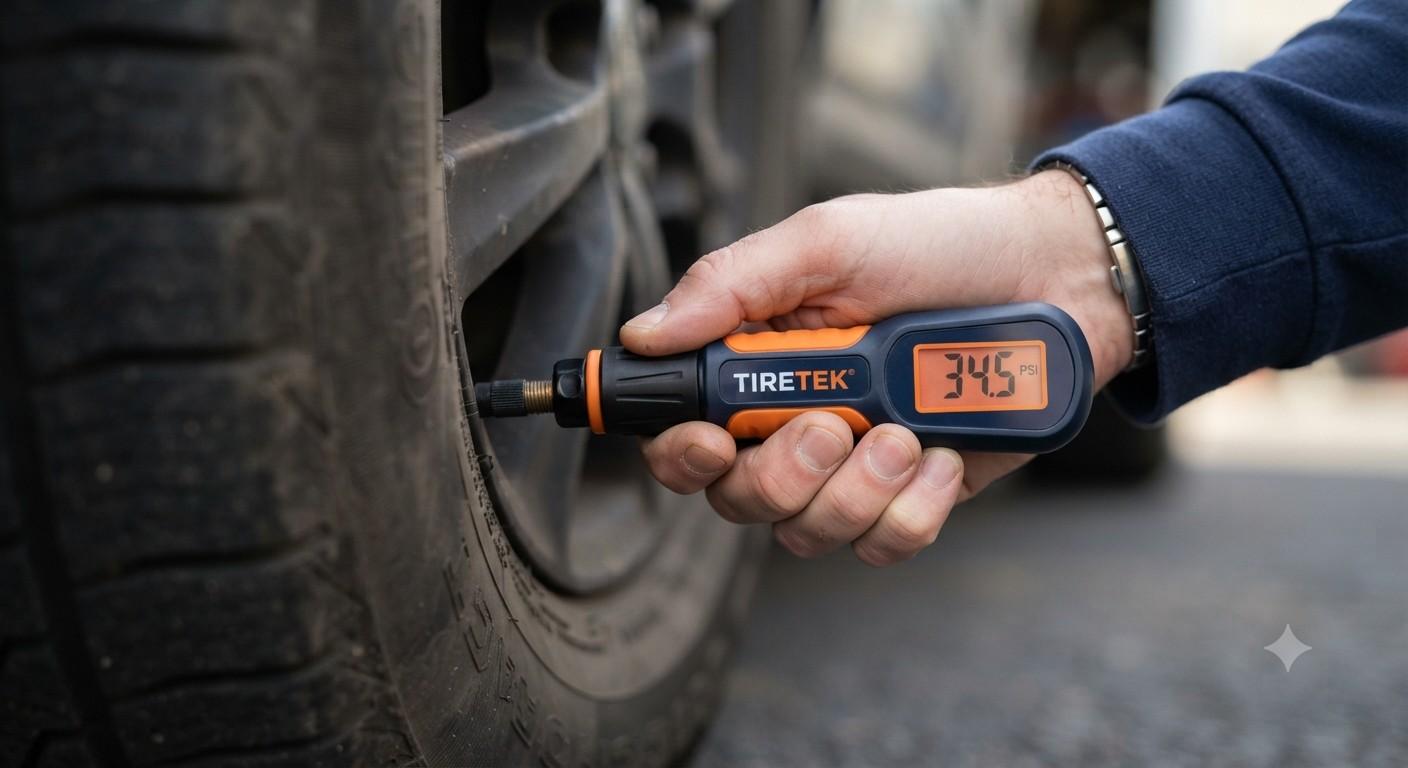
Riding on the wrong tire pressure is one of the quickest ways to turn a great ride into a dangerous one. Motorcycle tires carry the entire weight of the bike, the rider, and the road grip that keeps two wheels upright — and that job depends almost entirely on getting the air pressure right.
This guide walks through exactly how to check motorcycle tire pressure the correct way, how often to do it, what tools to use, and the mistakes even experienced riders make. Knowing how to check motorcycle tire pressure properly is one of the simplest habits that keeps a bike safe, stable, and predictable on every ride. It also covers how the same basic principle applies to cars and EVs, including how to check tire air pressure in general, how to check Tesla tire pressure, and how to check tire pressure on an Audi Q5 — because tire safety isn’t just a motorcycle issue, it’s a vehicle-ownership issue.
Table of Contents
- Why Motorcycle Tire Pressure Matters
- Tools You Need
- Step-by-Step: How to Check Motorcycle Tire Pressure
- How Often Should You Check It
- Recommended PSI Chart
- Common Mistakes
- How to Check Tire Air Pressure (Any Vehicle)
- Tesla and Audi Q5 Tire Pressure
- Motorcycle vs. Car Tire Pressure
- Signs of Low or Overinflated Tires
- Expert Tips
- FAQs
Why Motorcycle Tire Pressure Matters More Than People Think
Unlike a car, a motorcycle only has two contact patches with the road, each about the size of a credit card. Every ounce of braking, cornering, and acceleration grip comes from that tiny surface area — which is exactly why checking motorcycle tire pressure regularly matters so much.
When pressure is off — even by 3–4 PSI — the handling, tread wear, fuel efficiency, and braking distance of the bike all change. The National Highway Traffic Safety Administration (NHTSA) notes that improper inflation is a leading factor behind tire failure across all vehicle types, and Bridgestone’s motorcycle tire guide confirms that underinflated motorcycle tires are one of the leading causes of accelerated tread wear and unpredictable handling, especially in corners.
- Underinflated tires flex too much, build excess heat, and wear out faster on the edges.
- Overinflated tires reduce the contact patch, making the ride harsher and reducing grip in the center of the tread.
- Correct pressure keeps the tire’s contact patch consistent, improving stability, mileage, and braking response.
Tools You Need to Check Motorcycle Tire Pressure
Checking motorcycle tire pressure correctly takes less than two minutes, but having the right tools makes a real difference in accuracy. The Harley-Davidson Insurance tire inflation guide also recommends keeping a dedicated gauge with the bike at all times for exactly this reason.
- A quality tire pressure gauge – digital gauges tend to be more accurate than analog dial gauges for motorcycle tires, since motorcycle tires operate on a narrower PSI range than car tires.
- An air source – a portable 12V compressor, hand pump, or gas station air pump.
- Owner’s manual or chain guard sticker – this lists the manufacturer-recommended PSI for front and rear tires, which is often different for solo riding vs. riding with a passenger or luggage.
Step-by-Step: How to Check Motorcycle Tire Pressure (6 Steps)
Here’s exactly how to check motorcycle tire pressure the right way, step by step:
Step 1: Find the Recommended PSI
Never rely on the number molded into the tire’s sidewall — that’s the maximum pressure the tire can safely hold, not the recommended riding pressure. The correct number is usually found:
- On a sticker on the swingarm, chain guard, or frame
- Inside the owner’s manual
- On the inside of the fuel tank cover (on some models)
Step 2: Check Tires When They’re Cold
“Cold” means the bike hasn’t been ridden for at least 3 hours, or has traveled less than 1–2 miles. Riding heats the air inside the tire, which raises the pressure reading and gives a false sense that the tire is properly inflated.
Step 3: Remove the Valve Cap
Unscrew the small plastic or metal cap on the valve stem and set it somewhere it won’t get lost — these caps also help keep dirt and moisture out of the valve.
Step 4: Press the Gauge Firmly Onto the Valve Stem
Push the gauge straight onto the valve stem until the hissing sound stops. A small hiss when first attaching is normal; a continuous hiss means the gauge isn’t seated properly.
Step 5: Read and Compare the Pressure
Compare the number on the gauge to the manufacturer’s recommended PSI. If it’s low, add air in small amounts and recheck. If it’s high, use the small pin on the back of most gauges to release a little air, then recheck.
Step 6: Replace the Valve Cap
Screw the cap back on snugly. It’s a small step, but it protects the valve core from dirt, road grime, and slow air leaks.
How Often Should You Check Motorcycle Tire Pressure?
Most manufacturers and safety organizations recommend checking motorcycle tire pressure:
- Before every ride for daily commuters or long-distance touring riders
- At least once every 1–2 weeks for casual or weekend riders
- Before any long trip, especially if temperature has changed significantly (pressure drops roughly 1 PSI for every 10°F drop in temperature)
Recommended Motorcycle Tire PSI Chart (General Reference)
These are general starting ranges — always defer to the specific number listed in the owner’s manual for the exact make and model.
| Motorcycle Type | Front PSI | Rear PSI (Solo) | Rear PSI (With Passenger) |
|---|---|---|---|
| Sport Bike | 32–36 | 36–42 | 40–44 |
| Cruiser | 28–32 | 32–36 | 36–40 |
| Touring Bike | 36–40 | 40–42 | 42–45 |
| Dual-Sport / Adventure | 20–28 | 24–30 | 28–32 |
Common Mistakes When Checking Motorcycle Tire Pressure
Even riders who check motorcycle tire pressure regularly can fall into a few avoidable habits:
- Using the sidewall number instead of the manufacturer’s recommended PSI
- Checking pressure right after riding, when tires are hot and readings are inflated
- Relying on a visual check — motorcycle tires can look normal even when 10+ PSI low
- Using an inaccurate or old analog gauge without periodically verifying its accuracy
- Forgetting to recheck after adding or releasing air
How to Check Tire Air Pressure (General Guide for Any Vehicle)
The core process of how to check tire air pressure is nearly identical across motorcycles, cars, and SUVs — the main differences are where the recommended PSI is listed and whether the vehicle has an electronic monitoring system.
- Locate the recommended PSI (driver’s door jamb sticker for most cars, chain guard/manual for motorcycles)
- Check tires when cold
- Remove valve cap and press gauge onto the stem
- Compare reading to recommended PSI and adjust as needed
- Replace the valve cap
Checking Tire Pressure on Modern Vehicles: Tesla and Audi Q5
Riders who also own a car or EV often ask how the process differs on modern vehicles with digital tire pressure monitoring systems (TPMS). Here’s a quick comparison.
How to Check Tesla Tire Pressure
Tesla vehicles use a built-in TPMS that displays live readings directly on the touchscreen. According to Tesla’s official support documentation, tire pressures can be viewed and reset directly from the vehicle’s screen:
- Tap the tire pressure icon or open the Controls > Service menu on the center touchscreen
- All four tire pressures display in real time in PSI or bar
- The Tesla mobile app also shows tire pressure remotely under the vehicle status screen
- Recommended PSI is listed on a sticker inside the driver’s door jamb, just like most modern cars
How to Check Tire Pressure on an Audi Q5
The Audi Q5 also uses an electronic TPMS, viewable through the infotainment system:
- Go to Car menu > Tire Pressure Monitor on the MMI touchscreen
- The system displays current pressure for each wheel and flags any tire below the recommended range
- Recommended PSI is listed on the driver’s door jamb sticker
- After adjusting pressure manually, the Audi Q5 system typically needs to be reset and recalibrated through the same menu
Motorcycle Tire Pressure vs. Car Tire Pressure: Key Differences
| Factor | Motorcycle | Car / SUV |
|---|---|---|
| Contact patches | 2 (small) | 4 (larger) |
| Pressure sensitivity | High — 2–3 PSI changes handling noticeably | Moderate |
| TPMS availability | Rare on most models | Standard on most vehicles since 2008 |
| PSI location | Chain guard / swingarm sticker | Driver door jamb sticker |
Signs of Low or Overinflated Motorcycle Tires
- Sluggish, heavy steering at low speed — often a sign of underinflation
- Harsh, bouncy ride over bumps — can indicate overinflation
- Uneven tread wear on the edges (underinflated) or center (overinflated)
- Reduced fuel efficiency from increased rolling resistance
- Vague or twitchy feel when cornering
Expert Tips for Long-Lasting Motorcycle Tires
- Check pressure at the same time each week to build a consistent habit
- Invest in a dedicated motorcycle tire gauge — car gauges are sometimes less precise at lower PSI ranges
- Inspect tread depth and look for embedded debris every time pressure is checked
- Adjust PSI before long trips, especially with a passenger or extra luggage
- Replace valve caps if they’re cracked or missing
Find trusted local tire shops through Tire Near Me Hub.
Frequently Asked Questions
1. How often should I check my motorcycle’s tire pressure?
At minimum, check it every 1–2 weeks, and always before a long ride. Daily riders should ideally check before every trip since even small pressure drops affect handling.
2. Can I use a car tire gauge on a motorcycle?
Yes, as long as it’s accurate at lower PSI ranges. Digital gauges tend to give more precise readings for motorcycle tires than older analog dial gauges.
3. What happens if I ride with low tire pressure on a motorcycle?
Low pressure increases heat buildup, accelerates tread wear on the edges, and reduces cornering stability, which can make the bike feel unpredictable, especially at highway speeds.
4. Is the PSI number on the tire sidewall the correct pressure to use?
No. The sidewall number is the tire’s maximum pressure rating, not the recommended riding pressure. Always use the number from the owner’s manual or chain guard sticker instead.
5. Do Tesla and Audi Q5 tire pressure checks work the same way as motorcycles?
Not exactly. Tesla and Audi Q5 use built-in TPMS sensors that display live readings on a screen, while most motorcycles require a manual gauge check since they typically don’t come with TPMS as standard equipment.
Conclusion
Checking motorcycle tire pressure is a two-minute habit that has an outsized impact on safety, handling, and tire lifespan. The process is simple: find the manufacturer’s recommended PSI, check when tires are cold, use a reliable gauge, and adjust as needed — then make it a routine, not a one-time task.
Whether it’s a sport bike, cruiser, or adventure bike, or even a car with a modern TPMS like a Tesla or Audi Q5, the same principle holds true across every vehicle: correct tire pressure is one of the simplest, cheapest ways to stay safer on the road. Riders who build a consistent checking habit tend to get more mileage out of their tires, spend less on premature replacements, and feel more confident in every corner.