Tire Repair • DIY Guide • 2026 Update
Tire Plug Kit Guide: How to Choose the Best Kit and Fix a Flat Tire Fast
Everything you need to know about a tire plug kit — from picking the right one to using it safely on the road.
A flat tire rarely happens at a convenient time. Whether it’s a nail on the highway or a slow leak in the driveway, a good tire plug kit can save you a tow bill and get you back on the road in under 15 minutes. This guide walks through exactly how these kits work, which ones are worth buying in 2026, and how to use a tire plug kit step by step — even if you’ve never repaired a tire before.
By the end of this article, you’ll know how to choose between a screw-in plug kit, a plug-and-patch combo, or a sealant-based system like Slime, and where to find a tire plug kit near me if you need one today.
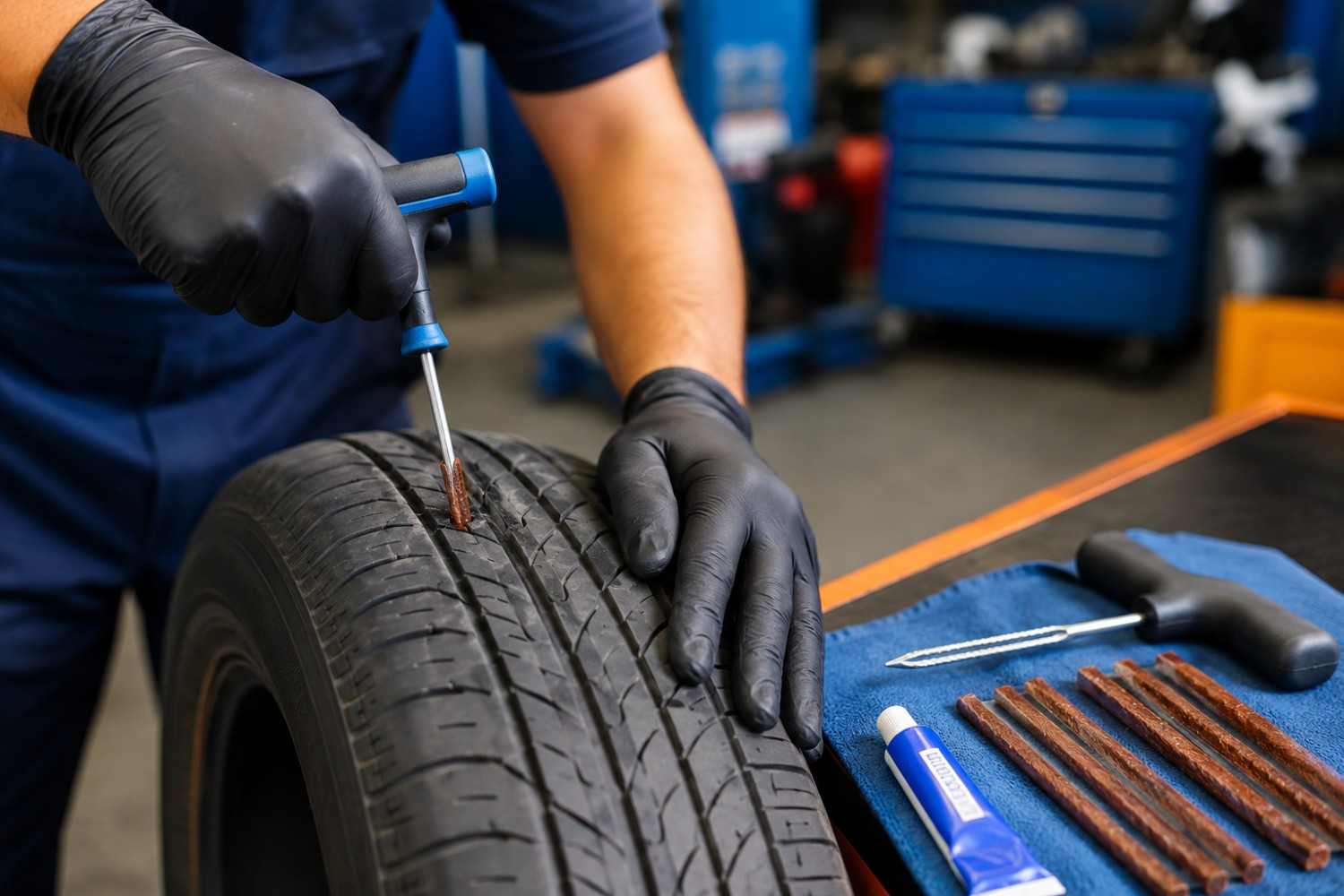
What Is a Tire Plug Kit?
A tire plug kit is a small repair kit designed to seal punctures in tubeless tires — the type found on most modern cars, trucks, SUVs, and many motorcycles. Instead of pulling the tire off the wheel like a traditional patch repair, a plug kit lets you insert a rubber or fiber plug directly through the puncture from the outside.
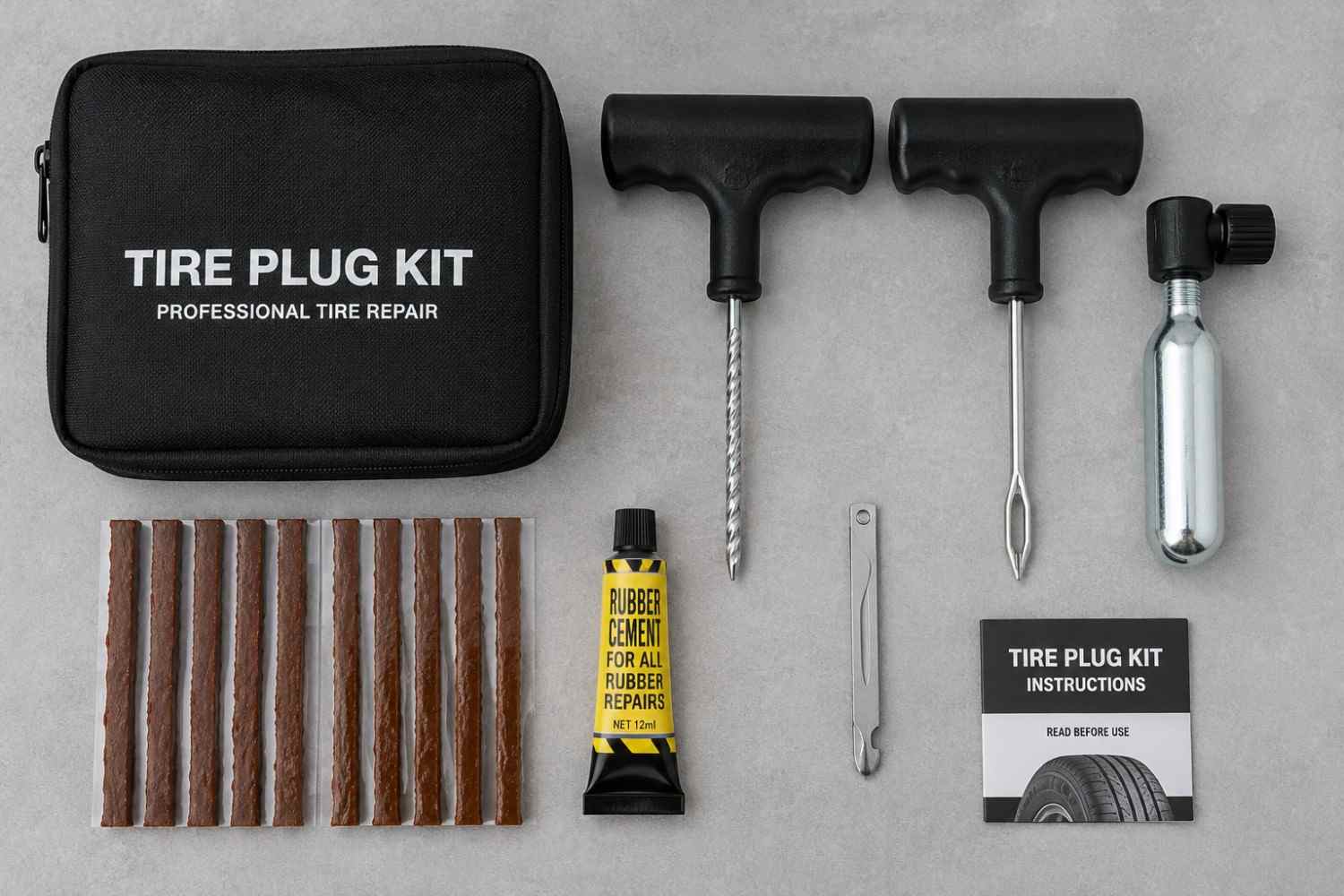
A typical car tire plug kit includes:
- A reamer tool to clean and widen the puncture
- An insertion tool to push the plug into the hole
- Rubber plug strings or “worms” coated in rubber cement
- A tube of rubber cement or vulcanizing fluid
- Sometimes a small CO2 inflator or air pump
According to the U.S. Tire Manufacturers Association, most passenger tires are rated to run tens of thousands of miles, and a properly executed plug repair on the tread area can often last the remaining life of the tire when done correctly.
Types of Tire Plug Kits
1. String / Rope Plug Kits (Screw-In Style)
This is the classic screw in tire plug kit most drivers keep in their trunk. You ream the hole, coat a rubber string in cement, and insert it with a T-handle tool. It’s fast, cheap, and works on most tread punctures.
2. Plug-and-Patch (Mushroom) Kits
These combine an internal patch with a plug stem for a stronger, more permanent seal. They typically require removing the tire from the rim, so they’re closer to a professional-grade repair.
3. Sealant-Based Kits
Brands like the Slime tire plug kit and the popular Slime 2040-A tire plug kit use liquid sealant injected through the valve stem. These are quick and mess-tolerant but generally best for very small punctures under 1/4 inch.
4. Tubeless Bicycle & Motorcycle Plug Kits
Compact versions of the same tool, designed for smaller tire volumes — covered in more detail below.
Best Tire Plug Kits Compared (2026)
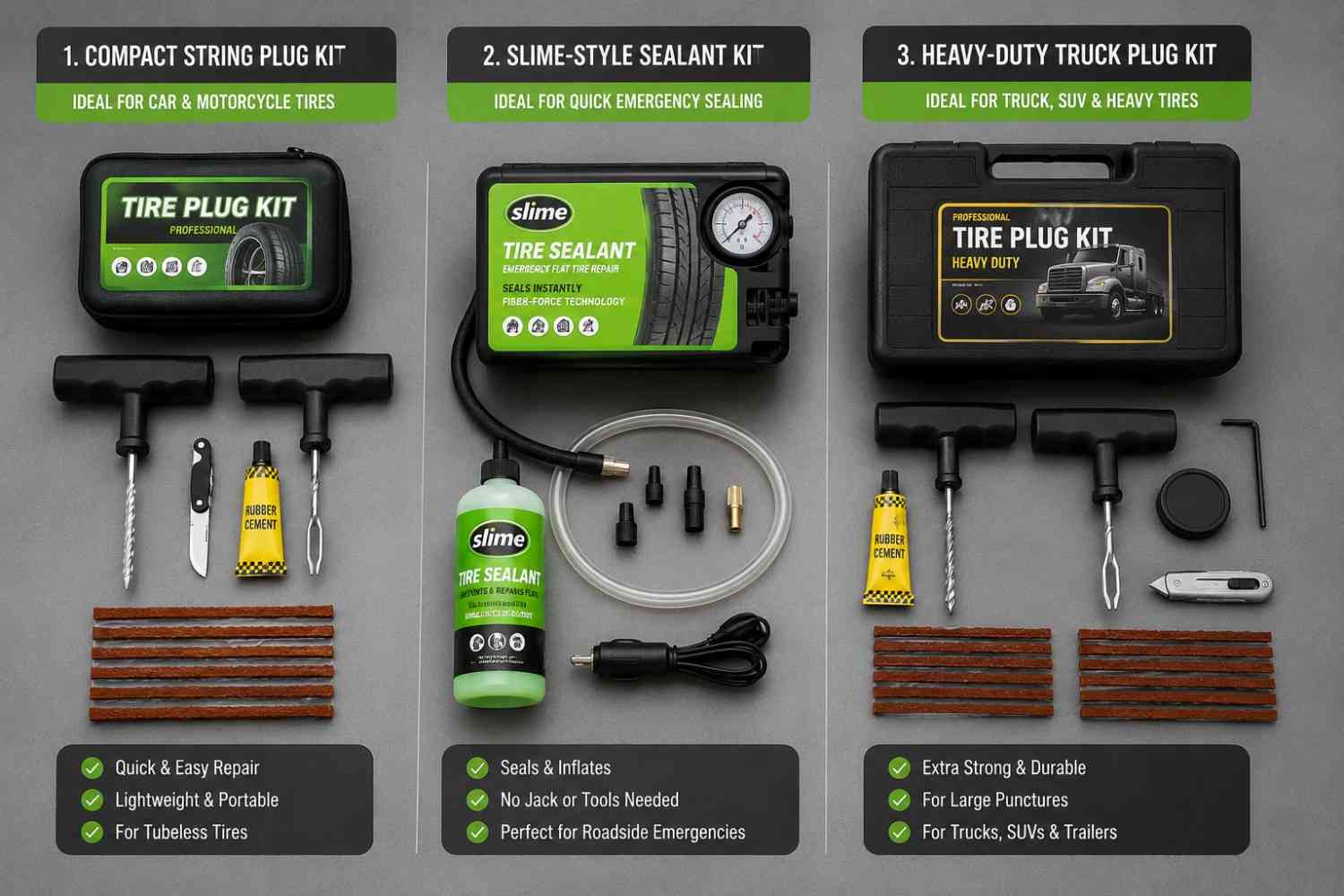
Here’s how the most searched-for tire plug kits stack up in terms of price, ease of use, and best application:
| Kit | Best For | Type | Approx. Price |
|---|---|---|---|
| Slime Tire Plug Kit | Cars, small SUVs | String plug | $10–$20 |
| Slime 2040-A Tire Plug Kit | Emergency roadside kits | String plug + tools | $12–$18 |
| Lezyne Tubeless Tire Plug Kit | MTB / gravel bikes | Compact string plug | $18–$25 |
| AutoZone Duralast Plug Kit | General car use | String plug | $10–$25 |
| Heavy Duty Truck Plug Kit | Trucks, trailers, off-road tires | Large-format string plug | $25–$60 |
How to Use a Tire Plug Kit (Step by Step)
Learning how to use a tire plug kit is easier than most people expect. Here’s the process most manufacturers recommend:
Step 1: Locate the Puncture
Spray soapy water over the tire and look for bubbles, or listen for hissing air. Mark the spot with chalk.
Step 2: Remove the Object
Use pliers to pull out the nail or screw causing the leak, if it’s still lodged in the tire.
Step 3: Ream the Hole
Insert the reamer tool in and out several times to clean and slightly widen the puncture channel.
Step 4: Insert the Plug
Thread a rubber plug string through the eye of the insertion tool, coat it in cement, and push it into the hole until roughly half remains outside the tire.
Step 5: Trim and Inflate
Pull the insertion tool straight out, trim the excess plug flush with the tread, and inflate the tire to the recommended PSI listed on your door jamb sticker.
Step 6: Test for Leaks
Re-spray soapy water on the plug to confirm no bubbles form. Drive cautiously for the first few miles and recheck pressure.
While you’re checking pressure, it’s a good time to also check your tire tread depth and inspect your valve stem for cracking, since both affect overall tire safety.
Where to Buy a Tire Plug Kit Near You
Searching for a tire plug kit near me? These kits are widely stocked, so you rarely have to go far:
- AutoZone tire plug kit — available in-store and online, usually near the tire care aisle
- Dollar General tire plug kit — budget-friendly option for basic string-plug repairs
- Walmart, O’Reilly, and Advance Auto Parts — similar $10–$25 kits
- Amazon — widest selection, including motorcycle and heavy-duty versions
- Local tire shops and service centers — for a professional plug-and-patch repair
If you’d rather have a professional handle it, use our tire services directory to find a shop near you, or browse listings by state.
Motorcycle, MTB & Heavy-Duty Tire Plug Kits
Motorcycle Tire Plug Kits
A motorcycle tire plug kit works the same way as a car kit but usually comes in a smaller pouch with a T-handle reamer sized for narrower tires. Because motorcycles carry all their weight on two contact patches, riders should treat any plug as temporary and get the tire professionally inspected as soon as possible.
MTB Tire Plug Kits
An MTB tire plug kit is built for tubeless mountain bike tires, which run at much lower pressure than car tires. Compact tools like the Lezyne kit fit in a saddle bag and can seal a sidewall or tread puncture trailside in under five minutes.
Heavy-Duty Tire Plug Kits
A heavy duty tire plug kit is designed for trucks, trailers, tractors, and off-road vehicles with thicker tread and larger punctures. These kits include longer plug strings and stronger reamers to handle bigger holes, often up to 3/8 inch in diameter.
When NOT to Plug a Tire
- Sidewall punctures — the flex zone can’t hold a plug reliably
- Multiple punctures close together
- Tires already worn below 2/32″ tread depth
- Punctures larger than 1/4 inch across
Not sure if your tread is safe to repair? Grab a gauge and check using our tire tread depth gauge guide before you plug anything.
Frequently Asked Questions
A properly installed plug in the tread area can last for years, but many mechanics still recommend a professional plug-and-patch repair for long-term reliability.
Most string-plug repairs hold for the remaining life of the tire if the puncture was small, clean, and located in the tread, not the sidewall.
Yes, once the plug is fully set and the tire is properly inflated, but it’s wise to drive at reduced speed for the first several miles and monitor tire pressure.
No — that’s the main advantage of a string-style tire plug kit. It’s inserted from outside the tire while it’s still mounted on the wheel.
Kits like the Slime tire plug kit or AutoZone Duralast kit are beginner-friendly thanks to clear instructions and simple T-handle tools.
Conclusion
A quality tire plug kit is one of the smartest, most affordable tools you can keep in your vehicle. From compact string-plug kits for everyday cars to heavy-duty versions for trucks and specialty kits for motorcycles and mountain bikes, there’s an option for nearly every situation. Learn the steps once, keep a kit in your trunk, and you’ll never be stranded by a simple puncture again. For deeper tire maintenance knowledge, explore our guides on tire irons, manual tire changers, and tire valve caps — or browse the full TireNearMeHub blog for more.
Own a tire-related business? List your shop on TireNearMeHub and get discovered by drivers searching for tire repair near them.